
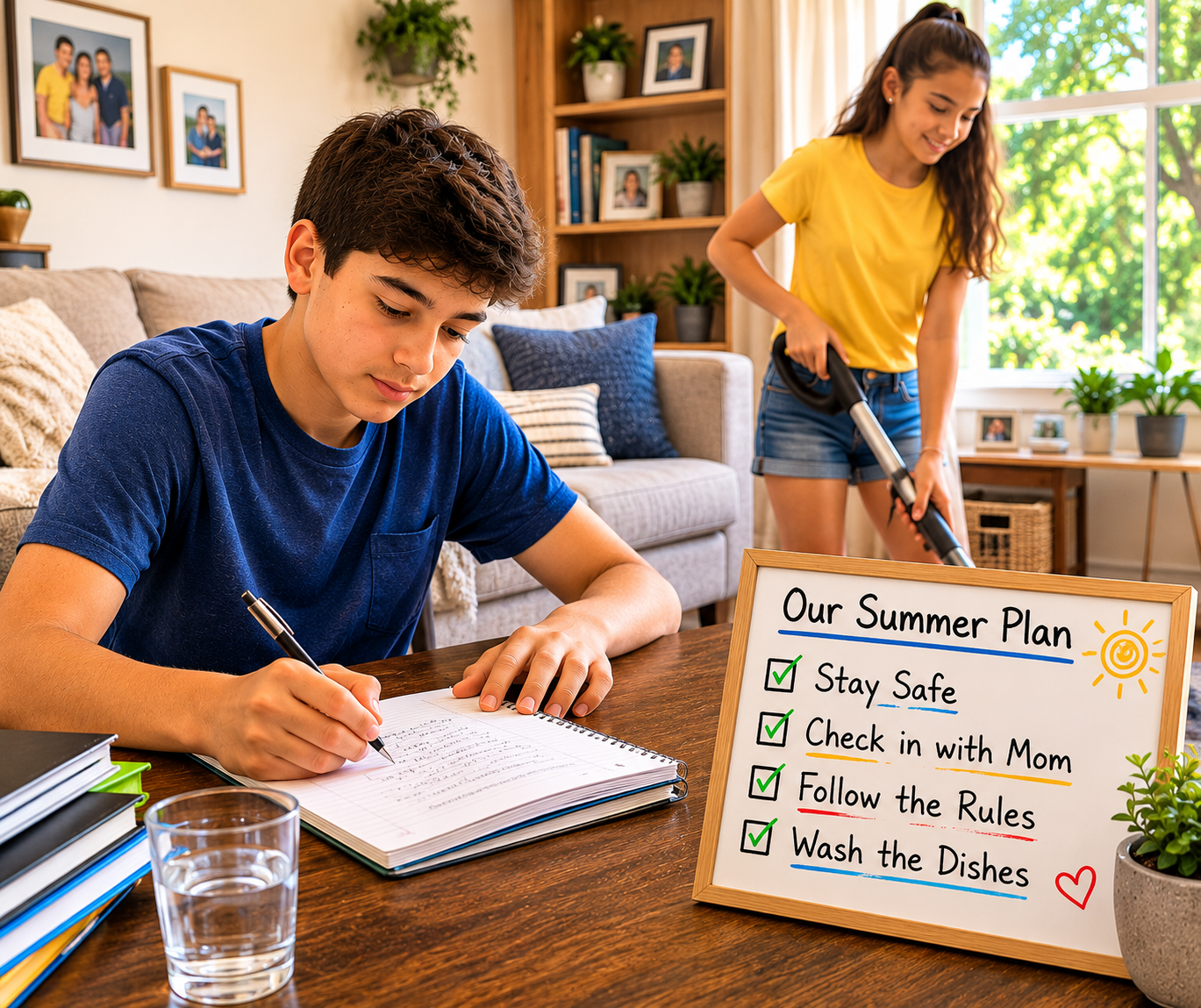
With summer in full swing, many parents face a common challenge: what to do when school is out but work obligations remain. For some families, leaving a child home alone for part of the day may seem like a practical solution. However, determining whether a child is ready for that responsibility involves much more than simply considering their age.
Being trusted to stay home alone can be a positive milestone in a child’s development, helping to build confidence, independence, and responsibility. At the same time, parents must carefully evaluate whether their child possesses the maturity, judgment, and safety skills necessary to handle being unsupervised.
Is There a “Magic Age” under Michigan Law?
One of the most common questions parents ask is, “How old does my child need to be before they can stay home alone?”
Under Michigan law, there is no specific statutory age at which a child may legally be left home alone. Instead, child welfare policies evaluate these situations on a case-by-case basis. Michigan’s Department of Health and Human Services (MDHHS) provides guidelines regarding child supervision, generally advising that children under the age of 10 should not be left unattended, and children ages 11 to 12 should only be left alone for short periods depending on their maturity.
Because every child matures differently, age alone should not determine readiness. Parents should consider whether their child consistently follows rules, makes sound decisions, and handles unexpected situations without panicking. Some children may be ready for brief periods of independence at a younger age, while others require supervision well into their teenage years.
Key Factors Parents Should Consider
Before leaving a child home alone during the summer break, parents should evaluate several important factors:
1. Maturity and Responsibility
Ask yourself whether your child can:
- Follow household rules consistently without supervision.
- Handle minor daily problems independently.
- Resist peer pressure and avoid inviting friends over without permission.
- Stay calm during unexpected situations or emergencies.
2. Length of Time Alone
A child who can safely stay home alone for an hour may not be ready to spend an entire workday unsupervised. Consider how long your child will be alone and whether they will need to prepare meals, manage medications, or care for younger siblings.
3. Safety of the Home and Neighborhood
Parents should assess whether their home environment is safe and free of immediate hazards. Ensure children know how to lock doors, avoid strangers, and respond to emergencies. If your child will be preparing food, ensure they understand fire safety rules regarding appliances like ovens, stoves, and microwaves.
Essential Safety Skills Every Child Should Have
Before leaving a child home alone, they should know:
- Their full name, home address, and parent phone numbers.
- How to reach a parent or guardian at all times.
- How and when to dial 911.
- The names and contact information of trusted nearby neighbors or family members.
- Basic first-aid procedures.
- What to do in case of fire, severe weather, power outages, or other emergencies.
Creating a written emergency response plan and reviewing it regularly helps children feel more confident and prepared.
Preparing Your Child for Success
If you believe your child may be ready, start gradually. Leave them alone for short periods while remaining nearby. Use these trial runs to identify any concerns and build your child’s confidence.
Role-playing common scenarios can also be immensely helpful. Discuss what your child should do if someone knocks on the door, if they receive a suspicious phone call, or if an emergency occurs.
Establish clear household rules regarding:
- Visitors and friends.
- Internet and social media use.
- Cooking and appliance use.
- Outdoor activities and leaving the yard.
- Screen time and daily chores.
Regular check-ins by phone or text can provide additional peace of mind for both parents and children.
Consider Alternatives
Even responsible children may not be ready to spend long summer days alone. Parents should explore alternative local options such as summer camps, community recreation programs, youth organizations, church programs, or trusted family members and neighbors who can provide supervision.
A balanced approach allows children to develop independence while ensuring they remain safe and engaged throughout the summer.
Final Thoughts
Leaving a child home alone is a significant decision that should be based on maturity, responsibility, and preparedness, not just age. By carefully evaluating your child’s abilities, establishing clear safety plans, and gradually increasing independence, parents can ensure a safe and positive experience for everyone.
If you or a family member need information regarding a specific legal case or the assistance of experienced attorneys fighting for people like you every day, call our 24/7 English/Spanish line at (248) 951-2450 or reach out to us at Atiya Law.