
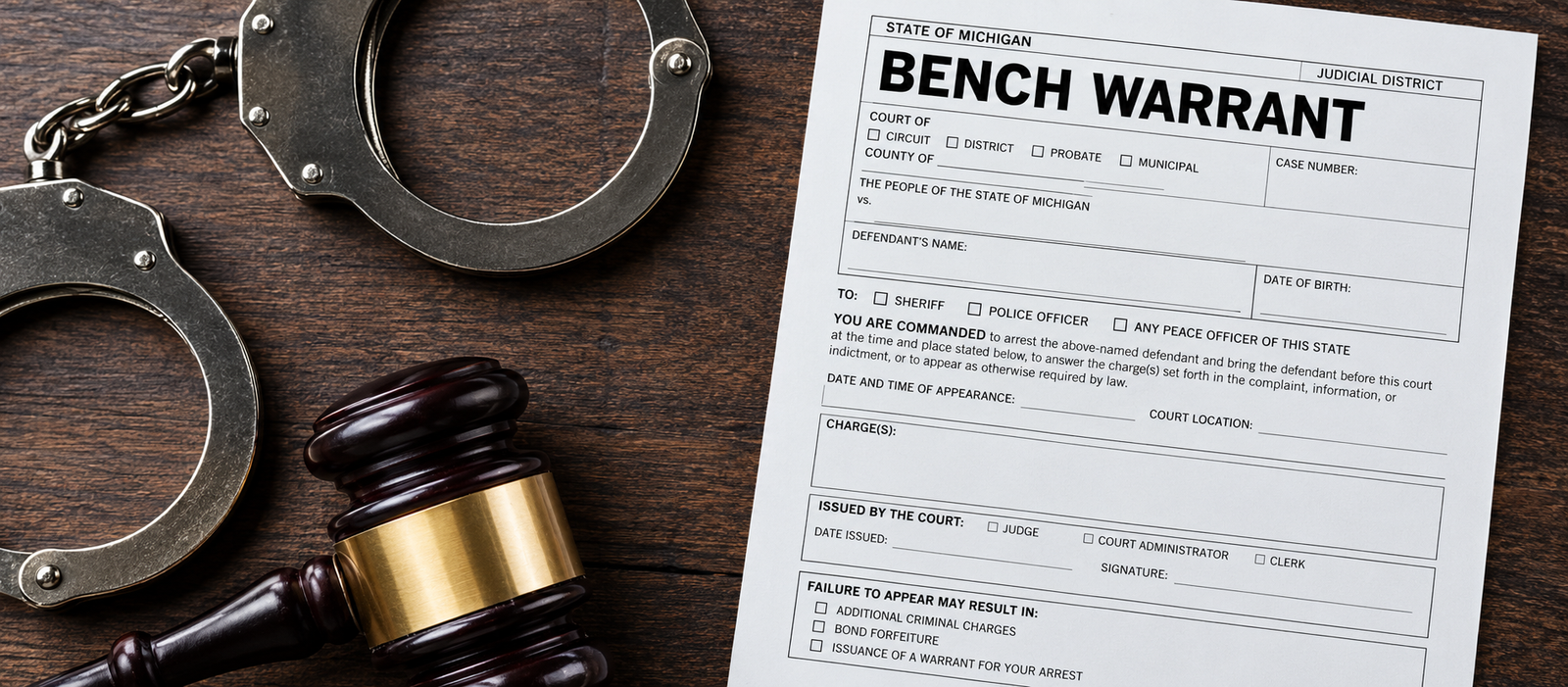
Having an active criminal warrant can be stressful and disruptive. A warrant exposes you to unexpected arrest, complicates your daily life, and creates constant uncertainty about your future. Whether a warrant was issued because you missed a court date, failed to comply with a court order, or are facing a newly filed criminal charge, understanding your legal options is an essential first step.
In many circumstances, a defendant can request that the court recall or set aside an active warrant. However, the appropriate legal procedure depends on why the warrant was issued, the nature of the underlying criminal charge, and the specific court handling the case. Hiring an experienced criminal defense attorney ensures you follow the correct legal procedure, present your request effectively, and resolve the underlying case while minimizing avoidable risks.
What Does It Mean to Set Aside a Criminal Warrant?
A motion to set aside or recall a criminal warrant is a formal request asking the court to withdraw an outstanding warrant. Depending on the circumstances, the court may recall the warrant and schedule a new court date, or require the defendant to appear in court, explain the missed appearance, and satisfy conditions such as posting a bond.
It is important to understand that not all criminal warrants are the same:
- Arrest Warrants: Issued at the initiation of a criminal complaint before a defendant has been formally arraigned.
- Bench Warrants: Issued by a judge after a defendant fails to appear in court or violates a direct court order
The distinction matters because the legal grounds and procedures for requesting relief differ. Furthermore, having a warrant recalled does not dismiss the underlying criminal charges. The case remains active, and future court appearances and bond compliance are still required.
Step 1: Determine Why the Criminal Warrant Was Issued
Before filing a motion, you must identify the precise type of warrant and the reason it remains active. Common grounds include:
- Failure to appear: The defendant missed a scheduled court hearing, arraignment, or sentencing. Under Michigan Court Rule MCR 6.103, courts generally wait 48 hours before issuing a bench warrant for a missed appearance, though this courtesy does not apply to assaultive or domestic violence charges.
- Failure to comply with court orders: The defendant failed to complete community service, pay court fines, or complete mandated classes.
- Probation violations: The court issued a bench warrant following an alleged violation of probation conditions.
- New criminal charges: An arrest warrant was authorized following a new criminal complaint.
In Michigan, the procedures governing criminal warrants and failures to appear are set forth in the Michigan Court Rules, including MCR 6.102 and MCR 6.103.
Step 2: Review the Court File and Case Details
The next step is to obtain accurate records from the issuing court. This includes confirming the court jurisdiction, case number, underlying offense, reason for the warrant, and existing bond or release conditions.
Your attorney will also check whether additional hearings have been scheduled or whether the court has issued orders that impact how your appearance should be handled.
Step 3: Prepare the Appropriate Motion
A motion to recall or set aside a criminal warrant is a formal legal submission. The motion must clearly explain the requested relief and establish the factual and legal grounds supporting it.
Depending on the circumstances, the motion may address:
- Why the defendant missed the hearing (e.g., lack of notice, medical emergency, or unavoidable conflict).
- Supporting documentary evidence (such as hospital admission records or employer documentation).
- The steps the defendant has taken to ensure complete compliance with future court dates.
Tailoring the motion to the specific warrant is critical. Filing a generic motion does not automatically suspend an active warrant, and you remain subject to arrest while the motion is pending.
Step 4: File the Motion With the Correct Court
Once prepared, the motion must be submitted according to the specific filing and service rules of the court handling the case.
In Michigan, MCR 6.105 establishes a voluntary appearance procedure for certain individuals wanted on bench or arrest warrants. Under MCR 6.105, if a defendant voluntarily surrenders to the issuing court within one year, the court must endeavor to arraign them within two hours with a legal presumption in favor of release without monetary bond.
However, MCR 6.105 explicitly excludes assaultive crimes and domestic violence offenses. An attorney can determine whether you qualify for voluntary appearance protections under MCR 6.105 or whether an alternative strategy is required.
Step 5: Prepare for the Court Hearing
The judge may schedule a hearing to evaluate your motion. During the hearing, the judge and prosecutor may inquire about the reasons for the missed date, prior compliance history, and the severity of the charges.
The prosecutor may oppose recalling the warrant, citing flight risk or public safety concerns. Having experienced legal representation ensures your rights are protected, your arguments are cogently presented, and favorable release conditions are negotiated.
Why Hiring a Criminal Defense Attorney Is Essential
Handling an active criminal warrant without legal assistance creates unnecessary risks of immediate arrest and incarceration. A criminal defense attorney does far more than file paperwork; they evaluate the prosecutor’s case, protect you from self-incrimination, and present a compelling argument to the court.
If you believe there is an active warrant for your arrest, do not ignore it. Taking proactive legal steps with an attorney is the safest and most effective way to resolve a warrant and regain peace of mind.
If you or a family member need information regarding an active criminal warrant or the assistance of experienced defense attorneys fighting for people like you every day, call our 24/7 English/Spanish/Arabic line at (248) 951-2450 or reach out to us at Atiya Law.