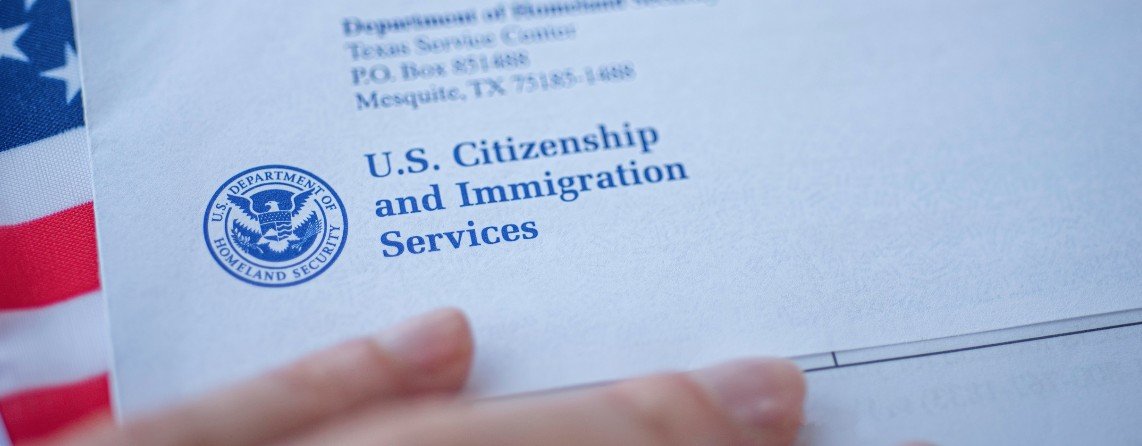
The U.S. Citizenship and Immigration Services (USCIS) has announced new major changes that will affect many immigrants who live and work in the United States. These rules come only weeks after the Agency paused immigration applications for people from 19 countries considered “high-risk” by the federal government.
If you currently hold a work permit, are applying for one, or are in the United States on an H-1B or H-4 visa, these policy changes may directly impact you and your family. Let’s discuss what you need to know to help you prepare for what is next.
USCIS Will Shorten How Long Some Work Permits Are Valid
Starting December 5, 2025, USCIS reduced the maximum validity period of Employment Authorization Documents (EADs). Under the Biden administration, many work permits were valid for up to 5 years, and immigrants could continue working while renewals were pending.
That is no longer the case.
USCIS will now issue work permits for only 18 months for individuals in the following categories:
- Refugees
- Individuals granted asylum
- Individuals granted withholding of deportation or removal
- People with pending asylum applications
- People with pending adjustment of status applications under INA 245
- Individuals with pending applications for suspension of deportation, cancellation of removal, or NACARA relief
These changes apply to any Form I-765 filed on or after December 5, 2025, or still pending on that date.
USCIS states this will allow the agency to perform more frequent vetting, with the goal of detecting fraud or “potentially harmful intent.”
Some Immigrants Will Now Receive Only One-Year Work Permits
Because of the new law H.R. 1, signed July 4, 2025, certain categories of applicants will now receive work permits valid for one year or less, depending on their status.
This applies to:
- Aliens paroled as refugees
- People granted Temporary Protected Status (TPS)
- People granted parole
- Individuals with a pending TPS application
- Spouses of entrepreneurs admitted under “entrepreneur parole”
These shorter validity periods mean more frequent renewals, which can increase processing burdens and create risks for people whose jobs depend on continuous work authorization.
Review Of Social Media for All H-1B and H-4 Applicants
Beginning December 15, 2025, USCIS will expand its “online presence review” to all H-1B and H-4 visa applicants—regardless of nationality.
This means:
- You must disclose all social media usernames/handles used in the past five years.
- Your social media accounts must be set to public so that officers can review posts, photos, comments, and connections.
This process has already[2] been in place for F-1, M-1, and J-1 students and exchange visitors since June 2025. It is now being extended to include employment-based applicants as well.
Why Are These Changes Happening?
USCIS announced these new rules after an attack in Washington, D.C., targeting two National Guard members last month. Federal officials say they want more tools to detect fraud, security risks, or individuals with harmful intent before granting work authorization or visa approvals.
These changes come in addition to an earlier immigration freeze affecting applications from 19 countries and reflect a broader increase in vetting across the immigration system.
What Immigrants Should Expect Going Forward
These new rules mean many immigrants will face:
- More frequent EAD renewals
- Longer processing times
- Additional security screenings and social-media reviews
- Higher risk of delays or lapses in employment authorization
Its already being reported that many H-1B and H-4 visa appointments originally scheduled for mid- to late-December 2025 are being cancelled and rescheduled for March 2026 due to the new policy updates.
If your work permit is expiring soon, now is the time to speak with an immigration attorney and plan ahead.
Practical Tips for Immigrant Workers and Families
Start renewing work permits early.
Because permits will expire more quickly, do not wait until the last minute. You can file to renew your work permit 180 days before it expires. Do not let your work permit expire.
Review your social media carefully.
Make sure your accounts are professional, consistent, and truthful.
Keep copies of all immigration filings.
Stay informed about processing times .
Talk to an attorney before international travel.
Travel rules are tightening, and additional restrictions may continue. Asylum seekers are being advised by legal professionals NOT to travel during an application process as it could be viewed as abandoning your application.
If you or a family member need information regarding a specific case or the assistance of experienced attorneys fighting for people like you every day, call our 24-7 English/Spanish line at 248-951-2450 or reach out to us at Atiya Law.