As of January 1, 2026, sweeping changes to the U.S. immigration system are now in effect, impacting citizenship applicants, visa holders, families, employers, and travelers alike.
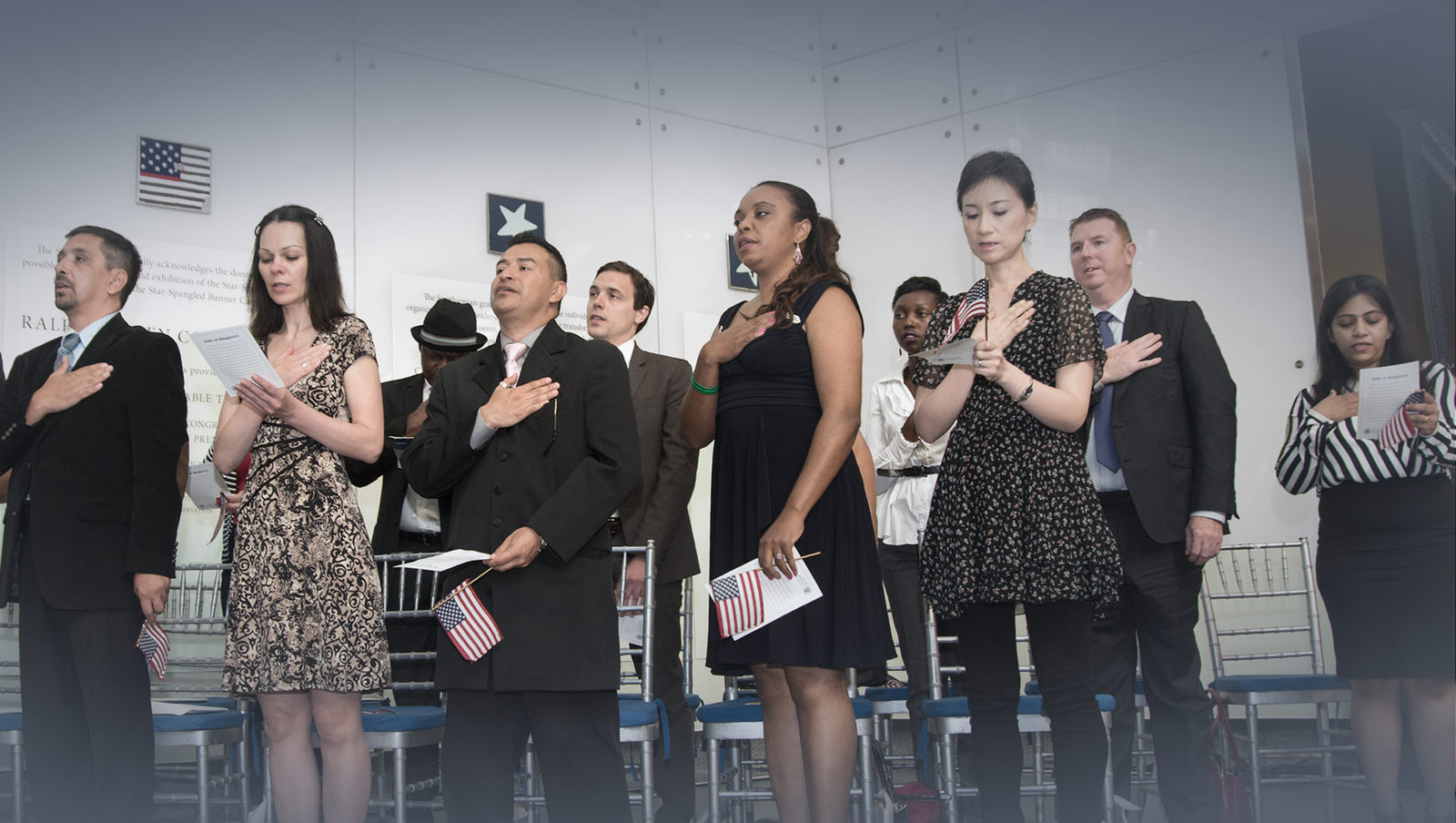
While several policy shifts are drawing attention, the most immediate and far-reaching change for many immigrants is the new, extended U.S. citizenship test, which significantly raises the bar for naturalization.
Another major implementation is the travel ban, which expands restrictions for nationals from 39 countries.
Below is a breakdown of the most important immigration changes taking effect in 2026 and what individuals and families should be doing to protect their status and future plans.
The Extended U.S. Citizenship Test: A Higher Bar for Naturalization
One of the most significant changes this new year with immigration policies is the overhaul of the U.S. citizenship civics and English test, which officially applies to Form N-400 applications filed on or after October 20, 2025, with full implementation continuing in 2026.
What Has Changed?
The new citizenship test is more demanding in both scope and difficulty. The USCIS (United States Citizenship Immigration Services) announced that the test will now have:
- An expanded civics question pool: Increased from 100 to 128 questions, including more complex historical and governmental topics
- More questions during the interview: Officers may ask up to 20 questions, up from the 10 questions that have been asked since the 2008 changes.
- A higher passing threshold: Applicants must now answer 12 out of 20 questions correctly (60%), compared to the previous 6 out of 10
- Stronger English proficiency requirements: English comprehension is evaluated throughout the entire interview, not just the reading and writing portions
USCIS has stated these changes are intended to raise citizenship standards and ensure new citizens demonstrate a deeper understanding of U.S. history, government, and civic responsibilities.
Who Is Most Affected?
While supporters argue the new test promotes civic engagement, critics warn it may disproportionately impact older applicants, long-term residents with limited formal education, and individuals with lower English proficiency.
Applicants who may have passed under prior standards could now face denials or repeated testing without proper preparation.
The 2026 Travel Ban: Expanded Restrictions on Entry to the U.S.
Another major component of the 2026 immigration changes is in the Presidential Proclamation 10998, which significantly expands prior travel restrictions.
Full Entry Suspensions
As announced previously, nationals from 19 countries, including Afghanistan, Haiti, Iran, Somalia, Syria, Yemen, and others, are now subject to full suspension of both immigrant and nonimmigrant visas, with limited exceptions. The ban also applies to individuals traveling on documents issued or endorsed by the Palestinian Authority.
Partial Visa Suspensions
President Trump recently announced an expansion on Proclamation 10998, with an additional 20 countries now facing partial suspensions affecting:
- B-1/B-2 visitor visas
- F, M, and J student and exchange visas
- All immigrant visas
The 20 countries are: Angola, Antigua and Barbuda, Benin, Burundi, Cote D’Ivoire, Cuba, Dominica, Gabon, The Gambia, Malawi, Mauritania, Nigeria, Senegal, Tanzania, Togo, Tonga, Venezuela, Zambia, and Zimbabwe.
Turkmenistan is subject to a separate partial suspension affecting all immigrant visas.
Important Limitations and Exceptions
- The ban applies only to individuals outside the U.S. on January 1, 2026, who did not hold a valid visa as of that date.
- Visas issued before January 1, 2026 are not revoked.
- Certain exceptions remain for lawful permanent residents, dual nationals using unaffected passports, diplomatic visas, and limited humanitarian categories.
Several family-based immigrant visa exceptions that existed under prior proclamations, including immediate relative visas, are no longer available.
Other Key Changes Taking Effect in 2026
Beyond citizenship testing and travel restrictions, the immigration system is becoming more expensive, more complex, and more heavily scrutinized. Below is a list of other areas also being overhauled:
Higher Fees and New Surcharges
- Introduction of a $250 Visa Integrity Fee for most nonimmigrant visas
- Potential new fees for asylum seekers
Employment-Based Immigration
- H-1B lottery changes now favor higher-wage positions, making entry-level sponsorship more difficult
- Employers may face higher labor costs and stricter compliance requirements
Green Card Processing
- Stricter eligibility standards for EB-1 and EB-2 categories
- Increased scrutiny of marriage-based green cards, including proof of shared residence, liabilities and assets
Asylum, Border, and Vetting Changes
- Expanded biometric data collection
- ESTA applicants required to provide up to five years of social media history
- Legislative efforts such as the Laken Riley Act may mandate detention in certain cases
New Investment-Based Program
- The proposed “Trump Gold Card” would allow expedited permanent residency for individuals investing $1 million or more in the U.S.
Why It Is Important to Seek Legal Advice
Given the scale and complexity of the current immigration policy changes, legal guidance is more important than ever. You should strongly consider consulting an experienced attorney if:
- You plan to apply for U.S. citizenship under the new testing standards
- You or a family member may be affected by the travel ban or visa suspensions
- You are filing or renewing a work visa, green card, or asylum application
- You are a U.S. employer sponsoring foreign workers under the revised H-1B rules
- You have had a prior denial, delay, or request for evidence (RFE)
An experienced attorney can help assess eligibility, identify exemptions, prepare for interviews, and avoid costly mistakes in an increasingly strict system.
Final Takeaway
The 2026 immigration overhauls show the increasingly more restrictive and complex periods in recent U.S. immigration history. Immigrants and their families must be more proactive, informed, and prepared than ever before.
Early planning and qualified legal advice can make the difference between approval and denial in this new immigration landscape.
If you or a family member need information regarding a specific case or the assistance of experienced attorneys fighting for people like you every day, call our 24-7 English/Spanish line at 248-951-2450 or reach out to us at Atiya Law.